

Synthetic acrylic flooring has rapidly become one of the most preferred flooring solutions in Delhi, and honestly, it’s not hard to see why. In a city where temperatures soar past 45°C in summer, monsoons bring heavy moisture, and pollution levels test the durability of almost everything outdoors, choosing the right flooring is more than a design decision—it’s a survival strategy. Synthetic acrylic flooring is a specially engineered surface made using high-quality acrylic resins that create a seamless, durable, and weather-resistant finish suitable for both indoor and outdoor applications.
In Delhi, this type of flooring is most commonly associated with sports courts like tennis, basketball, and multi-purpose play areas, but its usage has expanded far beyond that. Today, you’ll find synthetic acrylic flooring in schools, residential terraces, commercial complexes, recreational parks, and even premium home interiors. What makes it stand out is its ability to combine performance with aesthetics. It doesn’t just look good; it performs exceptionally well under pressure—whether that pressure comes from athletes sprinting across a court or from Delhi’s relentless climate.
Another reason for its growing popularity is its low maintenance nature. Unlike tiles that crack or wooden floors that warp, synthetic acrylic flooring remains stable and visually appealing for years with minimal upkeep. It’s also highly customizable, offering a wide range of colors, textures, and finishes. For Delhi homeowners, builders, and institutions looking for a long-term flooring solution that balances cost, durability, and style, synthetic acrylic flooring checks all the right boxes.
Understanding Synthetic Acrylic Flooring Materials
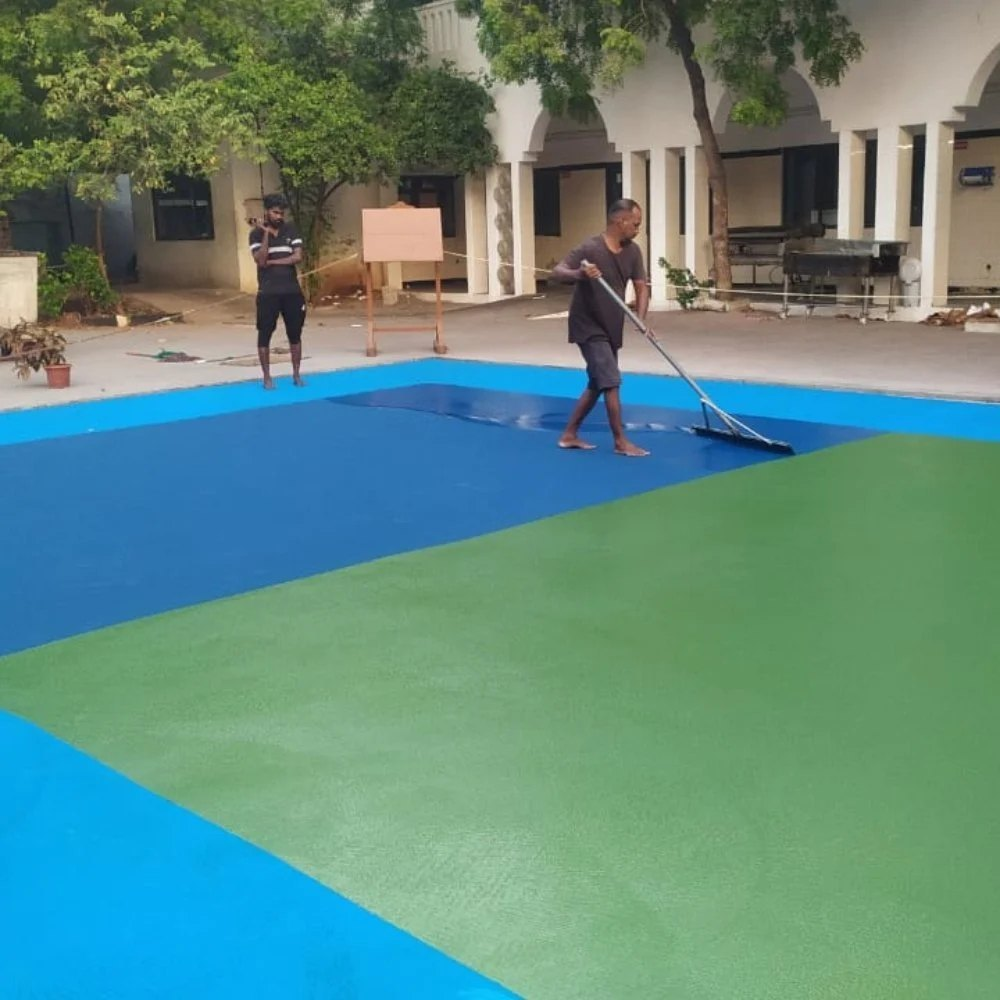
To truly appreciate synthetic acrylic flooring, it helps to understand what goes into making it. At its core, this flooring system is built using acrylic resins blended with fillers, pigments, and specialized additives. These materials work together to form a flexible yet strong surface that bonds seamlessly to concrete or asphalt bases. Think of it like a protective skin for your floor—one that adapts, stretches, and holds firm under stress without cracking or peeling.
The magic lies in the acrylic resin itself. Acrylic is known for its excellent adhesion properties, which means it sticks firmly to the base surface. This is especially important in Delhi, where temperature fluctuations can cause expansion and contraction in flooring materials. Synthetic acrylic flooring absorbs these movements gracefully, reducing the risk of surface damage. Additionally, the layered structure of acrylic flooring systems allows for shock absorption, making it ideal for sports and high-traffic areas.
Unlike traditional flooring materials such as tiles, marble, or epoxy coatings, synthetic acrylic flooring is breathable. This means it allows moisture vapor to escape from the substrate, preventing issues like bubbling or delamination—common problems in humid conditions. The pigments used are UV-stable, ensuring that colors remain vibrant even after years of exposure to harsh sunlight. In short, synthetic acrylic flooring materials are designed not just to look good on day one, but to perform consistently over time, even in challenging environments like Delhi.
Why Synthetic Acrylic Flooring is Ideal for Delhi’s Climate
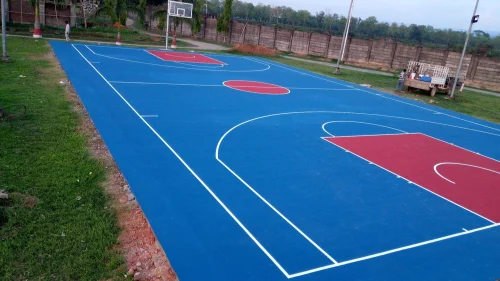
Delhi’s climate is famously unforgiving. Scorching summers, chilly winters, heavy monsoons, and high pollution levels create a tough environment for any construction material. Synthetic acrylic flooring, however, seems almost tailor-made for these conditions. One of its biggest advantages is its excellent thermal resistance. Unlike tiles that become unbearably hot or materials that crack under heat stress, acrylic flooring maintains structural integrity even during peak summer temperatures.
During the monsoon season, moisture becomes the biggest enemy of flooring systems. Water seepage, mold growth, and surface damage are common issues with conventional flooring. Synthetic acrylic flooring stands out because of its water-resistant and anti-skid properties. It provides a safe, slip-resistant surface even when wet, making it ideal for outdoor courts, terraces, and walkways across Delhi. The seamless nature of the flooring also means there are no joints or gaps where water can accumulate.
Pollution and dust are another reality of daily life in Delhi. Synthetic acrylic flooring is easy to clean and doesn’t trap dust the way textured stone or grout-lined tiles do. A simple wash or mop is often enough to restore its appearance. Over time, this translates into lower maintenance costs and less effort spent on upkeep. When you combine all these climate-specific benefits, it becomes clear why synthetic acrylic flooring is increasingly considered one of the most practical and reliable flooring options for Delhi.
Types of Synthetic Acrylic Flooring Systems
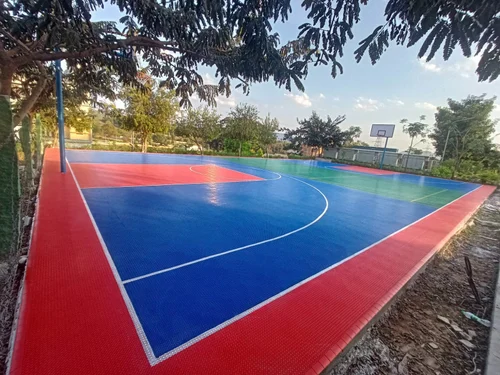
Synthetic acrylic flooring is not a one-size-fits-all solution. In fact, one of its biggest strengths is the variety of systems available to suit different needs and budgets. The most common type is the multi-layer acrylic flooring system, which consists of several coats including a primer, base layer, color layers, and a protective topcoat. This system is widely used for sports courts in Delhi due to its durability and performance consistency.
Another popular option is cushion acrylic flooring systems. These include additional rubberized or elastic layers beneath the acrylic surface to provide enhanced shock absorption. These systems are particularly beneficial for professional sports facilities and schools, where reducing impact on joints and minimizing injury risk is a priority. The cushioning also improves player comfort and performance, making it a favorite for tennis and basketball courts.
Synthetic acrylic flooring systems also come in textured and non-textured finishes. Textured surfaces offer superior slip resistance, which is ideal for outdoor applications exposed to rain. Non-textured finishes, on the other hand, provide a smoother and faster surface, often preferred for indoor courts and commercial spaces. Whether you’re designing a rooftop court in South Delhi or a community sports complex in NCR, there’s an acrylic flooring system tailored to meet your specific requirements.
Synthetic Acrylic Flooring for Sports Courts in Delhi
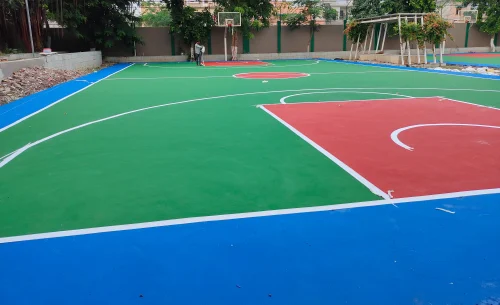
Synthetic acrylic flooring has become the gold standard for sports courts in Delhi, and this isn’t just a passing trend—it’s a practical response to real, on-ground challenges. From government sports complexes to private academies, schools, colleges, and residential societies, acrylic sports flooring is everywhere. Why? Because Delhi demands surfaces that can take a beating from intense usage, extreme weather, and constant exposure to dust and pollution, all while maintaining performance and safety.
For outdoor sports courts like tennis, basketball, volleyball, and multi-purpose play areas, synthetic acrylic flooring offers a perfect balance of durability and playability. These surfaces are engineered to withstand heavy foot traffic and repetitive impact without cracking or fading. Delhi’s scorching summers often cause traditional concrete or tiled courts to expand, crack, or become dangerously hot. Acrylic flooring, on the other hand, remains stable and comfortable, even under direct sunlight. Its UV-resistant properties ensure that court colors and line markings stay sharp and visible for years.
One of the biggest advantages for sports courts is player safety. Synthetic acrylic flooring systems are designed with anti-skid textures, reducing the risk of slips and falls—even during the monsoon season when surfaces are frequently wet. For academies and schools in Delhi, this is a major plus, as safety standards are becoming stricter every year. Cushion acrylic systems take it a step further by adding shock-absorbing layers beneath the surface. This reduces stress on athletes’ knees, ankles, and joints, which is especially important for young players and professionals who train daily.
Another reason acrylic flooring dominates Delhi’s sports infrastructure is its compliance with international standards. Many synthetic acrylic sports floors meet guidelines set by organizations like ITF (International Tennis Federation) and FIBA for basketball. This makes them suitable for both training and competitive play. Maintenance is also refreshingly simple. Unlike clay courts that need daily care or wooden floors that demand controlled indoor conditions, acrylic courts only require basic cleaning and occasional resurfacing.
In a fast-paced city like Delhi, where sports spaces need to be functional, long-lasting, and cost-effective, synthetic acrylic flooring delivers on all fronts. It’s not just a surface—it’s an investment in performance, safety, and longevity.
Applications Beyond Sports: Where Acrylic Flooring Fits Best
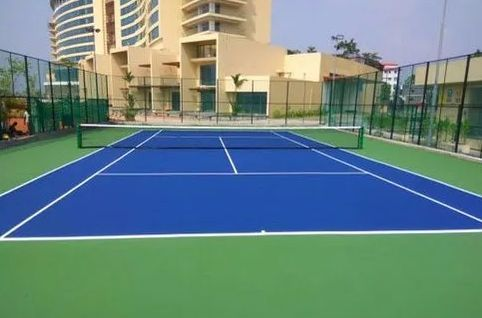
When most people in Delhi hear the term synthetic acrylic flooring, their minds instantly jump to sports courts. Tennis courts, basketball courts, badminton courts—you name it. But limiting acrylic flooring to sports alone is like using a smartphone only to make calls. In reality, acrylic flooring has quietly made its way into many non-sporting spaces across Delhi, and for very good reasons. Its durability, weather resistance, aesthetic flexibility, and low maintenance make it a smart choice far beyond athletic environments.
One of the most popular non-sports applications of acrylic flooring in Delhi is residential terraces and balconies. Given Delhi’s extreme summers and unpredictable monsoons, terrace floors often suffer from cracks, water seepage, and surface discoloration. Acrylic flooring provides a seamless, waterproof, and UV-resistant solution that protects the underlying concrete while also enhancing visual appeal. Homeowners love it because it doesn’t just survive Delhi’s climate—it thrives in it. Plus, the anti-skid surface makes terraces safer for kids and elderly family members.
Another area where acrylic flooring fits perfectly is commercial spaces and offices. In showrooms, co-working spaces, corridors, and cafeterias, flooring needs to be tough enough to handle heavy foot traffic while still looking professional. Acrylic flooring delivers a clean, modern finish and can be customized with colors, textures, or even branding elements. Unlike tiles, there are no grout lines to collect dust—an underrated benefit in a city like Delhi where dust is a daily reality.
Educational institutions are also increasingly adopting acrylic flooring beyond playgrounds. School corridors, activity rooms, indoor halls, and assembly areas benefit from acrylic’s durability and easy maintenance. For schools and colleges, the long lifespan and minimal repair needs translate into cost savings over time. The flooring’s shock-absorbing properties also make it ideal for spaces where students spend long hours standing or moving.
Acrylic flooring is also an excellent choice for recreational areas and community spaces such as parks, walking tracks, clubhouses, and multipurpose halls. These areas require surfaces that are safe, visually appealing, and capable of handling mixed usage. Acrylic flooring meets all these demands while allowing designers the freedom to create vibrant, welcoming environments.
Benefits of Synthetic Acrylic Flooring
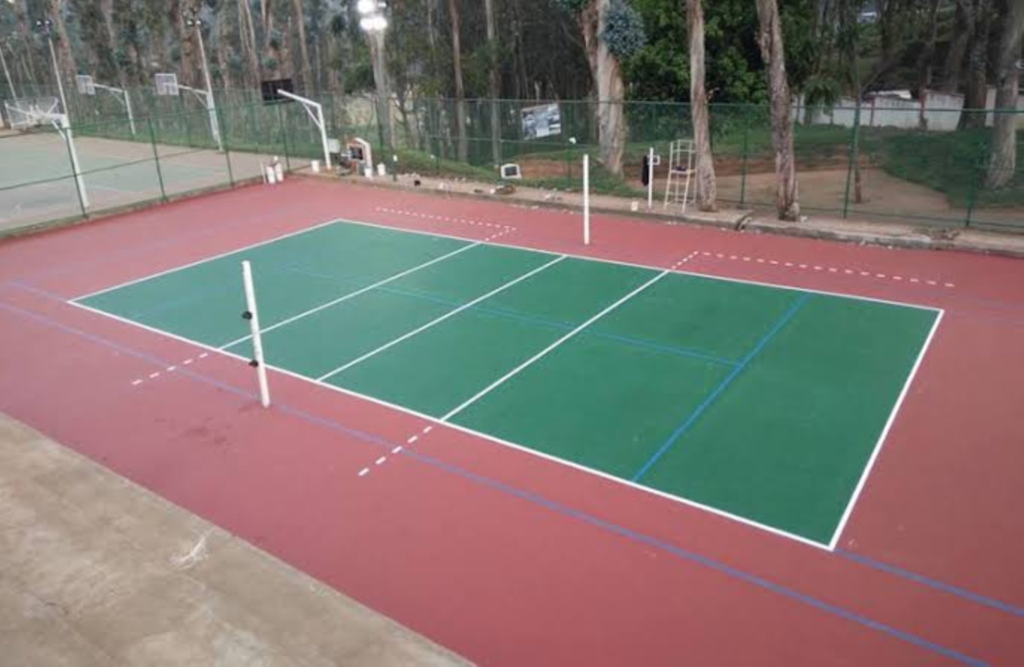
Synthetic acrylic flooring has earned its reputation as one of the most reliable and versatile flooring solutions, especially in demanding cities like Delhi. It’s not just about how the floor looks on day one—it’s about how it performs year after year under heat, rain, dust, and constant use. Whether installed in sports courts, commercial spaces, schools, or residential areas, acrylic flooring delivers a long list of benefits that go far beyond basic functionality.
One of the most significant advantages of synthetic acrylic flooring is exceptional durability. These floors are designed to withstand heavy foot traffic, repetitive impact, and continuous outdoor exposure without cracking or peeling. In places like Delhi, where temperatures fluctuate dramatically, many flooring materials expand and contract, leading to surface damage. Acrylic flooring adapts to these changes smoothly, maintaining its structural integrity for years. This durability translates directly into cost savings, as the need for frequent repairs or replacements is drastically reduced.
Another major benefit is superior safety and slip resistance. Acrylic flooring systems are manufactured with textured, anti-skid surfaces that provide excellent grip, even when wet. This makes them ideal for outdoor applications during the monsoon season, as well as indoor spaces where spills are common. For sports facilities, schools, and public areas, this safety factor is critical. Cushion acrylic systems further enhance safety by absorbing shock, reducing stress on joints and minimizing the risk of injuries during physical activity.
Low maintenance is another reason why synthetic acrylic flooring is so popular. Unlike tiles that require constant scrubbing or wooden floors that demand polishing and controlled environments, acrylic floors are incredibly easy to maintain. Regular sweeping and occasional washing are usually enough to keep them looking fresh. In dusty urban environments, this ease of cleaning is a huge advantage, saving both time and money over the long term.
From an aesthetic standpoint, acrylic flooring offers outstanding design flexibility. It is available in a wide range of colors, textures, and finishes, allowing complete customization to suit different spaces. Line markings, logos, and patterns can be seamlessly integrated into the surface without affecting performance. The flooring also features excellent UV resistance, ensuring that colors remain vibrant and do not fade, even under prolonged sunlight exposure.
Finally, synthetic acrylic flooring is known for its weather resistance and eco-friendly properties. It performs well in heat, rain, and humidity, making it suitable for both indoor and outdoor use. Many modern acrylic systems are low in volatile organic compounds (VOCs), contributing to better indoor air quality. When you add up durability, safety, aesthetics, and sustainability, it becomes clear why synthetic acrylic flooring is a smart, future-ready investment.
Aesthetic Appeal and Design Flexibility
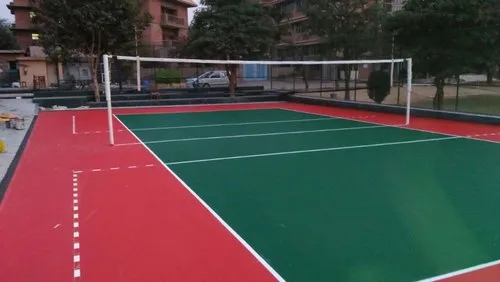
One of the most underrated yet powerful advantages of synthetic acrylic flooring is its ability to completely transform the look and feel of a space. While many people initially choose acrylic flooring for its durability and performance, they often end up appreciating it just as much for its visual impact. In a design-conscious city like Delhi, where homes, commercial spaces, and public areas are increasingly expected to look modern and well-finished, acrylic flooring delivers both style and substance.
Synthetic acrylic flooring offers an exceptionally wide range of color options. From bold, vibrant shades used in sports courts to subtle, neutral tones perfect for commercial or residential spaces, the possibilities are nearly endless. Colors are not just surface-level coatings; they are integrated into the flooring system, which means they remain rich and consistent over time. Thanks to strong UV resistance, acrylic floors do not fade easily—even when exposed to direct sunlight for long hours, a common challenge in Delhi’s climate.
Another major design advantage is the ability to create custom patterns, markings, and layouts. For sports facilities, this means precise, long-lasting court lines that meet professional standards. For non-sports applications, it opens the door to creative designs such as geometric patterns, zoned color areas, or branded logos for offices, schools, and commercial buildings. This level of customization is difficult to achieve with traditional flooring options like tiles or stone without significantly increasing costs.
The seamless finish of acrylic flooring adds to its modern appeal. Unlike tiled floors with visible grout lines or stone surfaces with joints, acrylic flooring creates a smooth, continuous surface that looks clean and expansive. This seamless look not only enhances aesthetics but also makes spaces feel larger and more organized. In high-end residential terraces, showrooms, and public halls, this visual continuity can make a noticeable difference.
Design flexibility also extends to surface texture and finish. Acrylic flooring can be tailored to be matte, semi-gloss, or textured, depending on functional and aesthetic needs. Textured finishes add depth and improve slip resistance, while smoother finishes offer a sleek, contemporary appearance. This adaptability allows designers and property owners to balance beauty with practicality.
In essence, synthetic acrylic flooring is not just a functional surface—it’s a design tool. It empowers architects, designers, and homeowners in Delhi to create visually striking, customized spaces without compromising on durability or performance.
Installation Process of Synthetic Acrylic Flooring
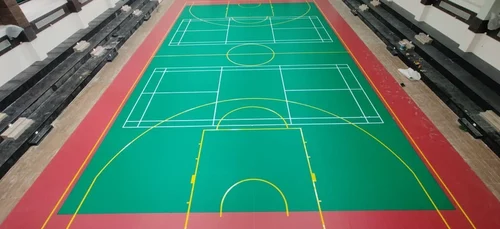
The performance and lifespan of synthetic acrylic flooring depend heavily on how well it is installed. Even the highest-quality materials can fail if the installation process is rushed or poorly executed. That’s why understanding the installation process is important, especially in a city like Delhi where climate, surface conditions, and usage patterns vary widely. A properly installed acrylic flooring system results in a seamless, durable, and visually appealing surface that performs consistently for years.
The first and most critical step is surface preparation. Acrylic flooring requires a strong, stable base—usually concrete or asphalt. The surface must be thoroughly cleaned to remove dust, oil, grease, loose particles, and any existing coatings. In Delhi, where dust accumulation is common, this step cannot be taken lightly. Any cracks, undulations, or damaged areas in the base are repaired using specialized compounds. Proper slope and drainage are also ensured, especially for outdoor applications, to prevent water stagnation during the monsoon season.
Once the surface is prepared, the next stage is the application of primer and base coats. A primer is applied to enhance adhesion between the base and the acrylic layers. This creates a strong bond and ensures long-term stability. After the primer cures, base coats are applied to level the surface and eliminate minor imperfections. These layers play a crucial role in determining the final smoothness and performance of the flooring. In sports courts, this stage also helps achieve uniform ball bounce and player movement.
The third step involves the application of acrylic color layers. Multiple coats of acrylic material are applied evenly using rollers or specialized equipment. Each layer is allowed to cure properly before the next one is added. This layering process enhances durability, color depth, and resistance to wear and tear. For cushioned acrylic systems, elastic or rubberized layers are added at this stage to improve shock absorption and player comfort.
Finally, the process is completed with line markings and protective topcoats. Court markings, logos, or custom designs are applied with precision, followed by a protective sealant. This topcoat improves UV resistance, slip resistance, and overall longevity. After curing, the surface is inspected for quality and consistency before being opened for use.
When done correctly, the installation of synthetic acrylic flooring results in a high-performance surface that is visually seamless, weather-resistant, and built to handle heavy usage—making it a smart and long-lasting investment.
Maintenance and Care of Acrylic Flooring
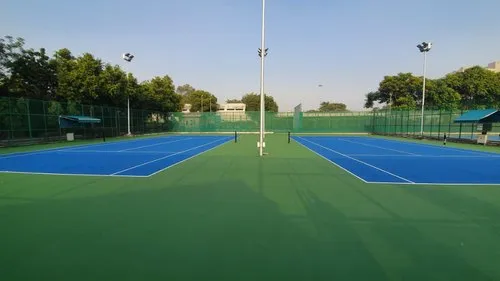
One of the biggest reasons synthetic acrylic flooring is so widely preferred in Delhi is its low-maintenance nature. In a fast-paced city where time, labor, and upkeep costs matter, acrylic flooring stands out as a practical and stress-free solution. While it is designed to be highly durable and weather-resistant, regular care and basic maintenance play an important role in preserving its appearance and performance over the long term.
Daily and routine cleaning is simple and does not require expensive equipment or harsh chemicals. For most spaces, sweeping or dust mopping is enough to remove loose dirt and debris. In outdoor areas such as sports courts or terraces, occasional water washing helps clear dust and pollution residue—something especially important in Delhi’s dusty environment. Mild, pH-neutral cleaners can be used when deeper cleaning is required, but abrasive chemicals should always be avoided as they may reduce surface life over time.
Another important aspect of maintenance is preventive care. Avoid dragging heavy furniture, sharp objects, or metal equipment directly across the surface, as this can cause scratches or surface wear. In commercial and institutional spaces, placing mats at entrances helps reduce the amount of dirt and grit carried onto the flooring. For sports courts, ensuring players use appropriate footwear designed for acrylic surfaces can significantly extend the floor’s lifespan.
Over time, even the best flooring systems show signs of wear—especially in high-traffic zones. This is where periodic inspection and resurfacing come into play. Acrylic flooring has a major advantage here: it can be resurfaced without removing the entire system. A fresh acrylic coat restores color, texture, and performance, making the floor look almost new again. This process is far more cost-effective than full replacement and is one of the key reasons acrylic flooring is considered a long-term investment.
Weather-related care is also minimal but important. After heavy rains, outdoor acrylic floors should be checked for proper drainage and cleaned to prevent dirt buildup. The flooring itself is water-resistant, but keeping it clean ensures consistent slip resistance and visual appeal.
With basic cleaning, sensible use, and occasional resurfacing, acrylic flooring can easily last many years while maintaining both performance and aesthetics. Its easy-care nature makes it an ideal choice for residential, commercial, and public spaces alike.
Cost of Synthetic Acrylic Flooring in Delhi
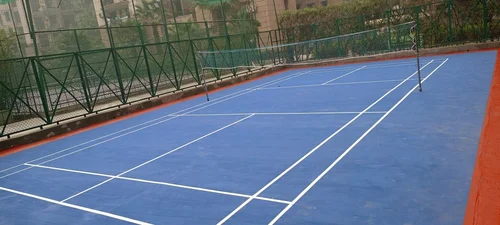
When planning a flooring project, cost is often one of the first and most important questions—and rightly so. Synthetic acrylic flooring in Delhi is considered a cost-effective solution when you look beyond the initial installation price and consider long-term value. While it may not always be the cheapest option upfront, its durability, low maintenance, and long lifespan make it a smart financial investment for sports facilities, commercial spaces, and even residential applications.
The average cost of synthetic acrylic flooring in Delhi generally ranges from ₹120 to ₹350 per square foot, depending on several factors. Basic non-cushioned acrylic systems fall on the lower end of the price spectrum, making them suitable for schools, residential terraces, and community courts. On the higher end, cushioned acrylic systems with multiple elastic layers are priced higher due to their enhanced shock absorption, comfort, and professional-grade performance. These systems are commonly used in premium sports academies and competition-level courts.
Several key factors influence the overall cost. The condition of the existing base surface plays a major role. If the concrete or asphalt base requires extensive repairs, leveling, or crack treatment, preparation costs will increase. The number of acrylic layers applied, the type of finish (textured or smooth), and the inclusion of custom colors, logos, or line markings also affect pricing. Outdoor installations may require additional weather-resistant coatings, which can slightly raise costs but significantly improve longevity.
Location within Delhi and NCR can also impact pricing due to transportation, labor availability, and site accessibility. Projects in high-rise buildings or densely populated areas may involve additional logistical expenses. However, it’s important to note that maintenance costs for acrylic flooring are minimal, which balances out the initial investment over time. Occasional cleaning and periodic resurfacing are far more affordable than replacing damaged tiles or repairing cracked concrete surfaces.
When compared to alternatives like epoxy, tiles, or stone flooring, synthetic acrylic flooring often proves more economical in the long run—especially for high-traffic and outdoor spaces. In Delhi’s challenging climate, choosing a flooring system that lasts longer and requires less upkeep ultimately saves money, making acrylic flooring a cost-wise and performance-driven choice.
Choosing the Right Synthetic Acrylic Flooring Contractor in Delhi
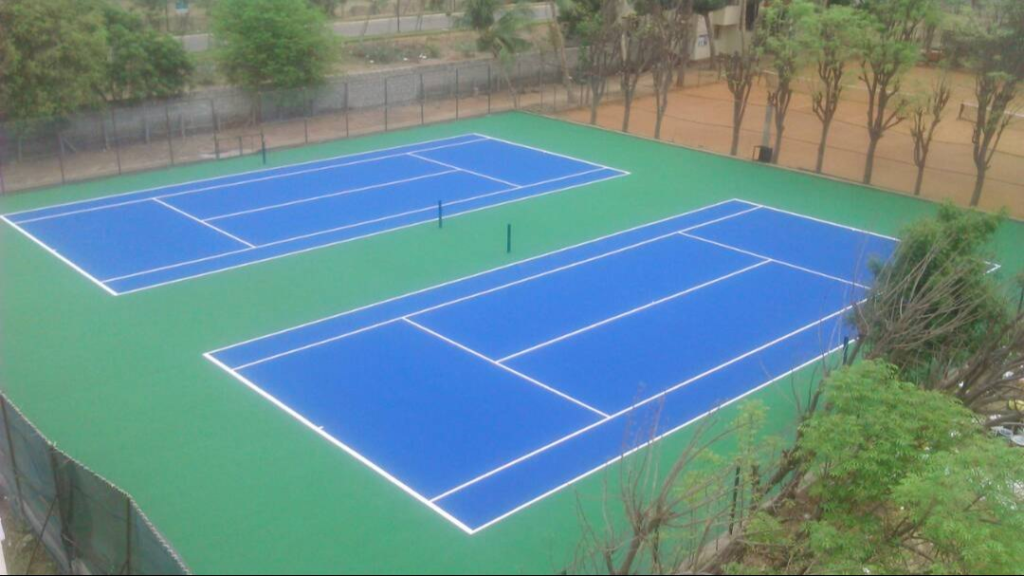
Selecting the right contractor for synthetic acrylic flooring in Delhi is just as important as choosing the flooring material itself. Even the best-quality acrylic system can fail to deliver results if it is installed by an inexperienced or unprofessional team. In a city as competitive and fast-moving as Delhi, where countless contractors offer flooring services, making the right choice requires careful evaluation, not guesswork.
The first thing to look for in a contractor is proven experience with synthetic acrylic flooring. Acrylic flooring is a specialized system, very different from tile, marble, or epoxy installations. A reliable contractor should have hands-on experience with sports courts, outdoor surfaces, and multi-layer acrylic systems. Ask for previous project photos, site references, or case studies. Contractors who have successfully completed projects in Delhi understand local challenges such as extreme heat, dust control, drainage requirements, and monsoon-related issues.
Another crucial factor is the quality of materials used. Not all acrylic flooring materials are the same. A trustworthy contractor will use high-grade, UV-resistant, and weather-tested acrylic products rather than low-cost substitutes. Don’t hesitate to ask about the brand, system type, and number of layers being applied. Transparent contractors are always willing to explain their process and material choices in detail.
Technical knowledge and surface preparation expertise also set good contractors apart. Proper base preparation is the foundation of a long-lasting acrylic floor. The contractor should inspect the site, check for cracks, moisture issues, slope accuracy, and drainage before starting work. Skipping or rushing this stage often leads to peeling, bubbling, or uneven surfaces later on. A professional contractor will never promise unrealistic timelines at the cost of quality.
It’s also important to consider after-installation support and warranty. Reputed contractors in Delhi offer maintenance guidance, resurfacing services, and workmanship warranties. This shows confidence in their work and provides peace of mind for the client. Be cautious of contractors who offer unusually low prices without written specifications or post-installation support—these often lead to higher costs in the future due to repairs.
Finally, clear communication and professionalism matter. A good contractor listens to your needs, provides a detailed quotation, and sets realistic expectations. When you choose a skilled and experienced synthetic acrylic flooring contractor, you’re not just hiring a service—you’re investing in long-term performance, safety, and quality.
Conclusion
Synthetic acrylic flooring has firmly established itself as one of the most practical, durable, and visually appealing flooring solutions in Delhi. In a city defined by extreme weather conditions, heavy usage, and ever-evolving design expectations, acrylic flooring consistently proves its value across a wide range of applications. From high-performance sports courts and educational institutions to residential terraces, commercial spaces, and community areas, it delivers a rare combination of strength, safety, and style.